
Dental Month for Dogs 2026 – Why Your Dog’s Oral Health Deserves Attention

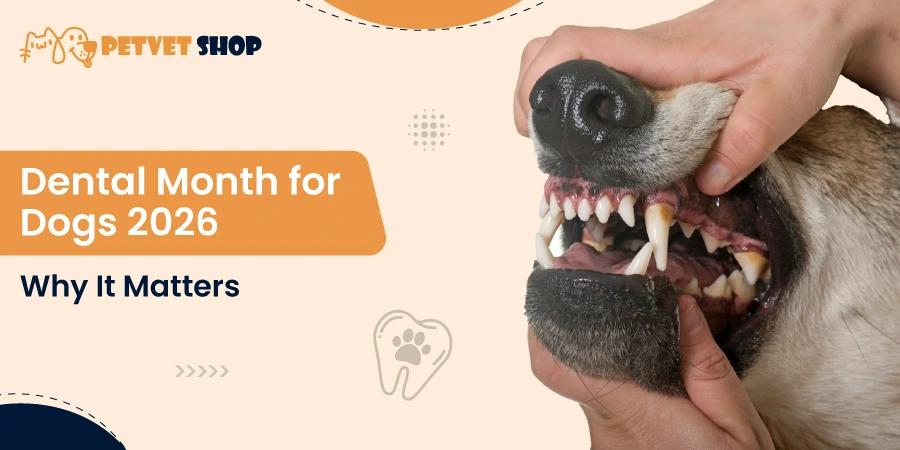
Dental Month for Dogs 2026 highlights the importance of preventing periodontal disease. Learn symptoms, treatment options, and home dental care tips.
Your dog still runs to the door when you grab the leash. Still wags his tail when you say dinner. But lately, you’ve noticed something. He turns his head when you try to look in his mouth. His breath smells worse than usual. He chews on one side.
Most pet parents ignore that moment. That’s exactly why dental month for dogs matters
What Is Dental Month and Why It Matters
Dental Month for Dogs 2026 refers to the February awareness campaign widely recognized as National Pet Dental Health Month, led by the American Veterinary Medical Association.
Each year, veterinary clinics across the United States use February to raise awareness about:
- Periodontal disease in dogs
- Preventive dental care
- Professional cleanings
- Early diagnosis of oral infections
The campaign also covers cats and other companion animals but the group most impacted by dental disease is the dogs.
For veterinary professionals interested in clinical standards and evolving protocols during pet dental health month 2026, updated guidelines continue to emphasize early intervention and diagnostic precision.
Dental Month for Dogs 2026 is not about cosmetic whitening. It is about preventing chronic infection, systemic inflammation, and avoidable pain.
How Common Is Dental Disease in Dogs?
At the age of three years, the majority of dogs exhibit periodontal disease. It has been estimated by several studies that 70-80 per cent of all dogs over the age of three years, have some dental pathology, including:
- Plaque accumulation
- Tartar formation
- Gingivitis
- Bone loss beneath the gumline
Plaque forms within hours of eating. If not removed, it mineralizes into tartar. Bacteria thrive in that environment and eventually migrate below the gumline, where destruction of supportive tissues begins.
Dental Month for Dogs 2026 highlights this statistic for one reason: early detection dramatically changes outcomes.
Why Dental Health Why Dental Health Affects the Whole Body
Persistent bad breath is not normal. It is commonly the initial symptom of active infection.
As periodontal disease advances, oral bacteria may spread to the bloodstream and cause systemic inflammation. The organs that may be affected are: the heart, the liver, the kidneys, and the lungs.
Veterinary research increasingly supports the connection between advanced dental disease and broader health complications.
Dental Month for Dogs 2026 is a reminder of a simple rule: a healthy mouth leads to a healthier life.
Symptoms Your Dog Needs a Dental Checkup
Dogs rarely show obvious signs of oral pain. They instead change their behavior.
Watch for bad breath that is always chronic, red, swollen, or bleeding gums, brown tartar, dropping food during eating, chewing on one side, pawing at the mouth, facial swelling, or loss of interest in chew toys.
February is the best month to conduct a basic oral check at home and schedule a veterinary exam in case any of these symptoms are observed.
Diagnosis of Dental Disease in Veterinary Teams
It is not sufficient to look at it visually. A professional dental assessment will consist of:
- Oral examination under anesthesia
- Periodontal probing
- Dental radiographs
- Ultrasonic scaling
- Polishing
- Extractions where needed
Modern practices rely on specialized veterinary dental instruments for accurate scaling, probing depth measurement, and radiographic diagnostics.
Dental radiographs are particularly important because up to 60% of dental pathology may exist below the gumline, invisible during a surface exam.
Dental Month for Dogs 2026 is a reminder that one should not postpone professional assessment.
The Importance of Home Dental Care
Prevention begins at home.
Brushing 30-60 seconds a day will go a long way in reducing the amount of plaque and slowing the formation of tartar
Recommended tools:
- Soft-bristled dog toothbrush
- Enzymatic dog-specific toothpaste
- Gentle circular brushing along the gumline
Mechanical plaque removal cannot be substituted by dental chews and water additives that can help maintain oral health.
The education programs in veterinary, including the dentistry learning track with Dr. Mathis, focus on correct technique, standardized procedures, and better preventive measures.
Additionally, discussions surrounding the clinical use of hyaluronic acid in veterinary dentistry explore how adjunct therapies may support periodontal healing in select cases.
These developments show that veterinary dentistry is still developing beyond simple scaling treatments.
Dental Care by Life Stage
Puppies
Mouth handling and brushing early on develops long-term compliance. Early preventive habits lower resistance in the future.
Adult Dogs
The majority of periodontal disease starts in adulthood. Professional cleanings and annual dental examinations, as prescribed by your veterinarian, are essential.
Senior Dogs
Age is not a reason to deny dental care to dogs. Many older dogs are safely put through dental procedures with appropriate bloodwork and anesthetic monitoring. Removal of chronic infection in most instances enhances appetite, energy, and comfort.
Dental Month for Dogs 2026 is a great chance to review dental status at any age.
What to Do During Dental Month for Dogs 2026
Take practical action:
- Look inside your dog’s mouth.
- Check for redness, odor, or visible tartar.
- Begin or improve a brushing routine.
- Schedule a professional dental exam if needed.
- Discuss radiographs and full evaluation with your veterinarian.
Dental disease is progressive but preventable. Chronic oral infection is not normal aging. Dental Month for Dogs 2026 is not merely a date on the calendar; it is a reminder that preventive dental care is the best way to keep comfortable, healthy, and live long.
The best time to act is now.
Frequently Asked Questions
1. What month is dental health month for pets?
Dental Health Month for pets is observed every February. Many veterinary clinics recognize it as National Pet Dental Month. During this time, clinics focus on exams, cleanings, and educating pet parents about preventing dental disease before it becomes painful or expensive to treat.
2. How often should my dog get a professional dental cleaning?
The average dog should be taken to the dentist at least once a year, depending on the breed of the dog, age and the level of home-care. Small breeds often need cleanings more frequently because their teeth are crowded, which allows plaque to build up faster. Your veterinarian can recommend a schedule based on your dog’s specific risk level.
3. Is bad breath in dogs normal?
No. Persistent bad breath is usually a sign of bacteria and dental disease. Although mild odor may occur following the consumption of a meal, foul or strong smelling breath is usually an indication of remnants of plaque, tartar, or infection. When the odor does not get better then it is time to make a dental appointment.
4. Is anesthesia safe for dental cleanings?
Under normal cases, anesthesia seems to be very safe when it is done under the right screening and monitoring. Veterinarians do their bloodwork prior to the procedure and keep track of the heart rate, oxygen and blood pressure. Anesthesia allows thorough cleaning under the gumline, where most disease hides. Skipping anesthesia usually means the real problem is left untreated.
5. What can I do at home to protect my dog’s teeth?
Daily brushing with a dog-safe toothpaste is the most effective step. Dental chews, prescription diets, and water additives can help reduce plaque, but they work best alongside brushing. Starting early and staying consistent makes a major difference in preventing painful dental disease later in life.